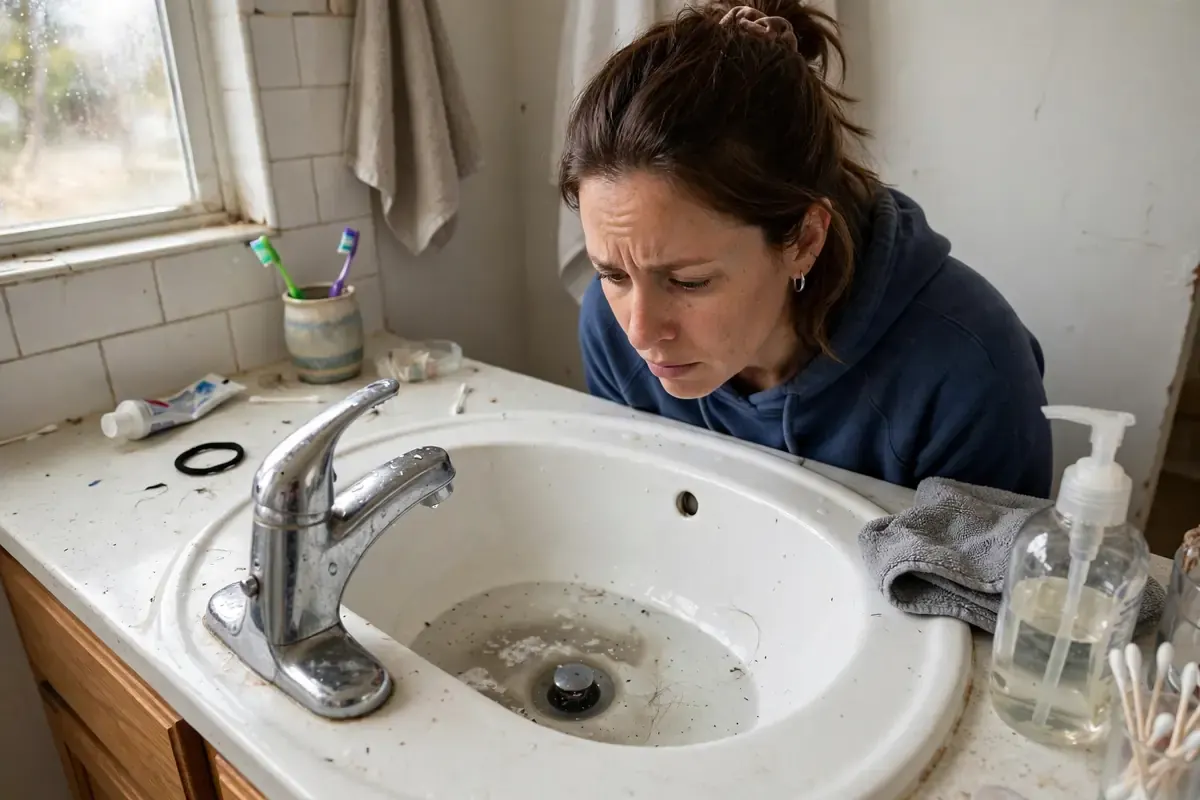
Sewer backups almost never happen out of the blue. Long before wastewater starts coming up through your drains, your home usually gives small signals that something is wrong underground. Most of us brush these signals off as normal plumbing quirks, until the day the main line gives up completely.
Knowing the early warning signs can save you from a messy and stressful backup. It can also mean the difference between a simple cleaning and a major pipe repair. Many homes in Covina have older pipes and mature trees with thirsty roots, so these signs show up more often than people expect.
Here are the seven warning signs every Covina homeowner should watch for, and what to do when you spot them.
1. A sewage smell that will not go away
One of the earliest and most common signs is a rotten or sewage-like odor coming from your drains. You may notice it in the kitchen, the bathroom, or around floor drains. Sometimes the smell shows up outside, near the cleanout or a spot in the yard.
That odor is sewer gas escaping where it should not. A developing blockage can trap waste and let gases push back up through the drains. A cracked or broken line can also let gas leak out into the soil and drift upward.
Do not just mask the smell with air freshener and move on. If a drain keeps smelling bad even after cleaning, it is worth getting the line checked before a small problem grows into a backup.
2. Gurgling sounds from drains and toilets
You flush the toilet and hear bubbling from the shower drain. You run the washing machine and the bathroom sink starts to gurgle. These strange sounds are your plumbing trying to tell you something.
Gurgling happens when air gets trapped in the line. A forming clog in the main sewer line changes how water and air move through the pipes, and the trapped air escapes through other drains with that telltale bubbling sound.
Occasional noise from one fixture may be nothing. But if gurgling happens often, or in more than one fixture at a time, the main line is the likely culprit and it deserves attention.
3. Several drains slowing down at the same time
A single slow drain usually means a local clog, like hair in the shower or food in the kitchen sink. But when several fixtures slow down together, that points to the main sewer line that serves the whole house.
Watch for the kitchen sink, bathroom sinks, the tub, and the toilet all draining slowly at once. Water may take longer to clear, or you may see the toilet water level rise and fall on its own.
This pattern often means buildup, grease, or roots are narrowing the main line. A professional main sewer drain cleaning can clear the line and restore normal flow before the slowdown turns into a full blockage.
4. Sewage or wastewater coming back up
This is the sign nobody wants to see. Wastewater coming up through a floor drain, a shower, or a tub means the main line is blocked and water has nowhere else to go. Flushing a toilet or running the washer can make it worse, since more water piles up behind the blockage.
Treat this as urgent. Stop running water right away, keep everyone away from the affected area, and do not try to plunge it away. Sewage carries germs that can make people sick.
Call a sewer professional for help. After the line is cleared, the affected area should be cleaned and disinfected properly so your home is safe again.
5. Extra-green or lush patches in the yard
Take a look at your lawn. If one strip or patch is much greener, thicker, or taller than the rest, it may be getting extra help from below. A leaking sewer line feeds the soil with moisture, which grass loves.
This sign is easy to miss because a greener patch can look like a good thing. But when one area clearly outgrows everything around it, and you did not fertilize it differently, a hidden leak is a real possibility.
A small leak can grow into a broken pipe over time. A sewer camera inspection can confirm whether the line under that patch is the source, and trenchless pipe lining can often fix cracks without tearing up the yard.
6. Clogs that keep coming back
You plunge the toilet, the clog clears, and a few days later it is back again. Or the kitchen drain works fine for a week and then slows to a crawl once more. Clogs that return on a loop are telling you the real problem is deeper than the fixture.
The usual causes are tree roots growing into the pipe or heavy buildup along the pipe walls. Plunging and store-bought cleaners only punch a small hole through the blockage, so it closes up again quickly.
When clogs keep returning, the line needs professional clearing and a look inside. A sewer camera inspection shows exactly what keeps blocking the pipe, whether it is roots, grease, or a damaged section, so the fix targets the real cause.
7. Soggy spots or standing water in the yard
Soft, spongy ground or puddles that never dry up can point to a sewer line problem underground. If the soggy area also smells bad, that is an even stronger clue that wastewater is leaking out of the pipe.
Broken or separated pipe sections let water escape into the surrounding soil. Over time this can wash soil away from the pipe and make the damage worse.
Do not ignore a wet spot that will not go away, even during dry weather. Finding the leak early keeps the repair smaller and protects the rest of the line.
What to do if you spot these signs
Start by cutting back on water use. Avoid running the dishwasher, washing machine, and long showers until the line is checked. Less water in the system means less pressure on a struggling line.
Skip the chemical drain cleaners. They rarely help a main line blockage and can damage pipes or make the job harder for the technician. Repeated hard plunging can also push the problem deeper.
Then call a sewer professional. A camera inspection is usually the first step because it shows the exact problem and its location. From there you will get clear options, from cleaning to repair, matched to what the line actually needs.
And if sewage has already entered your home, keep people and pets away from it and have the area cleaned and disinfected. Safety comes first.
Get help before a small sign becomes a big mess
If any of these warning signs sound familiar, do not wait for the next one to appear. We help homeowners across Covina and nearby areas like West Covina with sewer inspections, cleaning, and repairs. Browse our FAQs for quick answers, or reach out through our contact page to describe what you are seeing. The sooner the line is checked, the simpler the fix tends to be.